
Columns by John

John Brown has been a wine and food columnist in West Virginia since the 1980’s. His regular columns appear in the Charleston (WV) Gazette-Mail under the title Vines & Vittles.

Aunt Notie’s Leg (of lamb)

Leg of lamb is always the featured entrée in our home on Easter Sunday. I must admit, however, that my first experience with lamb could have been my last. That inedible dish was prepared in the time-honored and assertively bland tradition of English gastronomy. It was roasted in its own pungent juices, devoid of any spices and then served with huge dollops of mint jelly to obscure the gamy taste.

Unfortunately, we Americans do not often eat lamb because of this gaminess. When it comes to meat, we prefer beef, chicken or pork, and we are unaccustomed to gamy-flavored meat, except for venison. But venison is usually made palatable by the addition of flavoring spices and/or marinating – which is what we’re going to do in the recipe I’m sharing with you below.

Thank goodness that one of my Italian aunts later shamed and nearly force fed me into trying her version of lamb. Her rendition featured a boned and butterflied leg of lamb marinated in a heavenly bath of olive oil, wine and lemons with copious amounts of garlic and other spices happily swimming in the liquid.

So, in honor of my late Aunt Notie, who never met a garlic clove she didn’t covet, I’ll share her recipe for the absolutely best leg of lamb you will ever prepare! And to truly elevate this transcendent culinary experience, I’m going to suggest two round, rich and supple red wines to accompany the dish.

image

I’ve eaten lamb raised in the U.S. and from other countries such as Italy, France, Australia and New Zealand. I’m convinced the folks from the two Down Under nations produce the best tasting lamb, especially from the leg and rack of lamb cuts. The leg of lamb I used for this recipe was raised in New Zealand.

Wherever you purchase the lamb, you’ll need a boned leg that is opened up (butterflied) and which lies flat. Butterflying the leg allows it to absorb the spicy marinade more completely, and it insures more even roasting. If you have a Sam’s Club or Walmart nearby, you won’t need to worry about boning and butterflying the critter’s shank since the product they sell is already packaged that way. Simply open the package and remove the netting from around the leg. If you find a leg of lamb that is only available as a whole piece, ask the store butcher to bone and butterfly it for you. It is worth the effort.

My favorite wines to accompany leg of lamb are big and red, and you should try one (or both) of these bottles.

2019 Ridge Geyserville ($45) – This mostly zinfandel (71%) is blended with carignane and petite sirah and is a delicious mouthful of dark berry flavors with hints of vanilla on the finish. The richness of the wine makes it an absolutely spectacular pairing with the grilled lamb.

2018 E. Guigal Gigondas Rouge – ($38) – Gigondas is village near the renowned Chateauneuf du Pape appellation and its red wines are on a par with its more famous and expensive neighbor. This blend of grenache, syrah and mourvedre delivers full-bodied red fruit flavors, hints of licorice and a very spicy finish that compliments the smoky flavors of the grilled lamb.

Aunt Notie’s Leg (of lamb)

Ingredients:

One five to six-pound boned and butterflied leg of lamb
One half bottle of good dry red wine
Eight ounces extra virgin olive
Two ounces of red wine vinegar
Eight garlic cloves, chopped finely
One tablespoon of Dijon mustard
Three tablespoons of fresh rosemary chopped or two of dried rosemary
Two teaspoons of freshly ground black pepper
One tablespoon of salt
Four lemons juiced and cut into quarters

Preparation

Trim some of the thickest fat from the lamb
Score both sides of lamb making cuts diagonally across the meat
Combine the salt, pepper, garlic, rosemary and mustard into a mixture
Rub the mixture all over both sides of the lamb
Place lamb in a large container or gallon plastic bag
Add the wine, lemons, vinegar and juice and pour in and cover lamb
Put in the refrigerator overnight or for at least eight hours
Prepare a charcoal fire or heat up the gas grill
Remove meat from the marinade and pat dry
Place meat directly over the fire four minutes per side until seared
Cook meat indirectly for 30 minutes until inside temp. reaches 130F
Allow the meat to sit covered loosely with foil for 20 minutes
Slice and serve immediately

John Brown is also a novelist. His latest book Augie’s World, which is a sequel to his debut novel, Augie’s War, is available online at Amazon. You can find out more about his novels and wine columns at wordsbyjohnbrown.com


For wine lovers: Milo’s in Davis

Many of you have ventured to the Canaan Valley and the towns of nearby Davis and Thomas. I have written about some of my favorite eating and sipping establishments there such as Sirianni’s Café, Stumptown Ales and The Billy Motel in Davis, along with Farm Up Table Restaurant, Riverfront Wood Fired Pizza and Tiptop Coffee in Thomas. I’m also excited about the renewed emphasis on food and wine at Canaan Valley Resort with the recent hiring of an internationally trained executive chef. From a culinary perspective, things are looking up in Tucker County.

I’ve been privileged to have had a second home in that mountain county for the past three decades. I am still in awe of the physical beauty of the place, but I’m even more blissfully affected by the almost mystical ambiance of the mountains to produce feelings of well-being and peace. And those pleasant feelings are enhanced by sipping a glass of wine while meditating on Mother Nature’s bounty.

image

Don’t worry, though, I’m not going to launch into Deepak Chopra-speak and suggest mindfulness, meditation and chanting. But like that Indian mystic and alternative medicine advocate, I have always touted the healing powers of the naturally produced elixir we all love. And when I find an establishment in a location like Tucker County, where you can sip and sup in a such an inspirational physical environment, well, I’ve got to tell you about it.

The newest and most wine-centric of all the eateries in the county is Milo’s Café & Restaurant in Davis. Located on the first floor of the Bright Morning Inn B&B, Milo’s features an excellent and reasonably priced menu with an emphasis on locally grown and produced food. The cafe also features the most extensive wines by the glass list of just about any restaurant in the state! Oh, and the staff at Milo’s is first class, providing excellent service and in-depth knowledge of both the menu selections as well as the wine list. The restaurant is open for breakfast and dinner Thursday through Monday, has weekly musical entertainment and has a very good selection of craft beers. When the weather warms a bit, you can also enjoy your meal and/or beverage outdoors in Milo’s side yard

It’s evident that owner Brent Markwood (who also owns Bright Morning Inn) has spent a tremendous amount of time ruminating about wines to accompany his restaurant menu because he has succeeded in compiling an eclectic and regularly changing list of international bottles. And he has priced the wines exceptionally well with 18 of the 25 wines by the glass under $10. Only four of the more than 30 wines on the list are by the bottle only. Six bottles are from California while the international offerings come from Australia (3), Germany (2), France, (8) Italy (5), New Zealand (2) and one each from Chile, Argentina, South Africa and Spain.

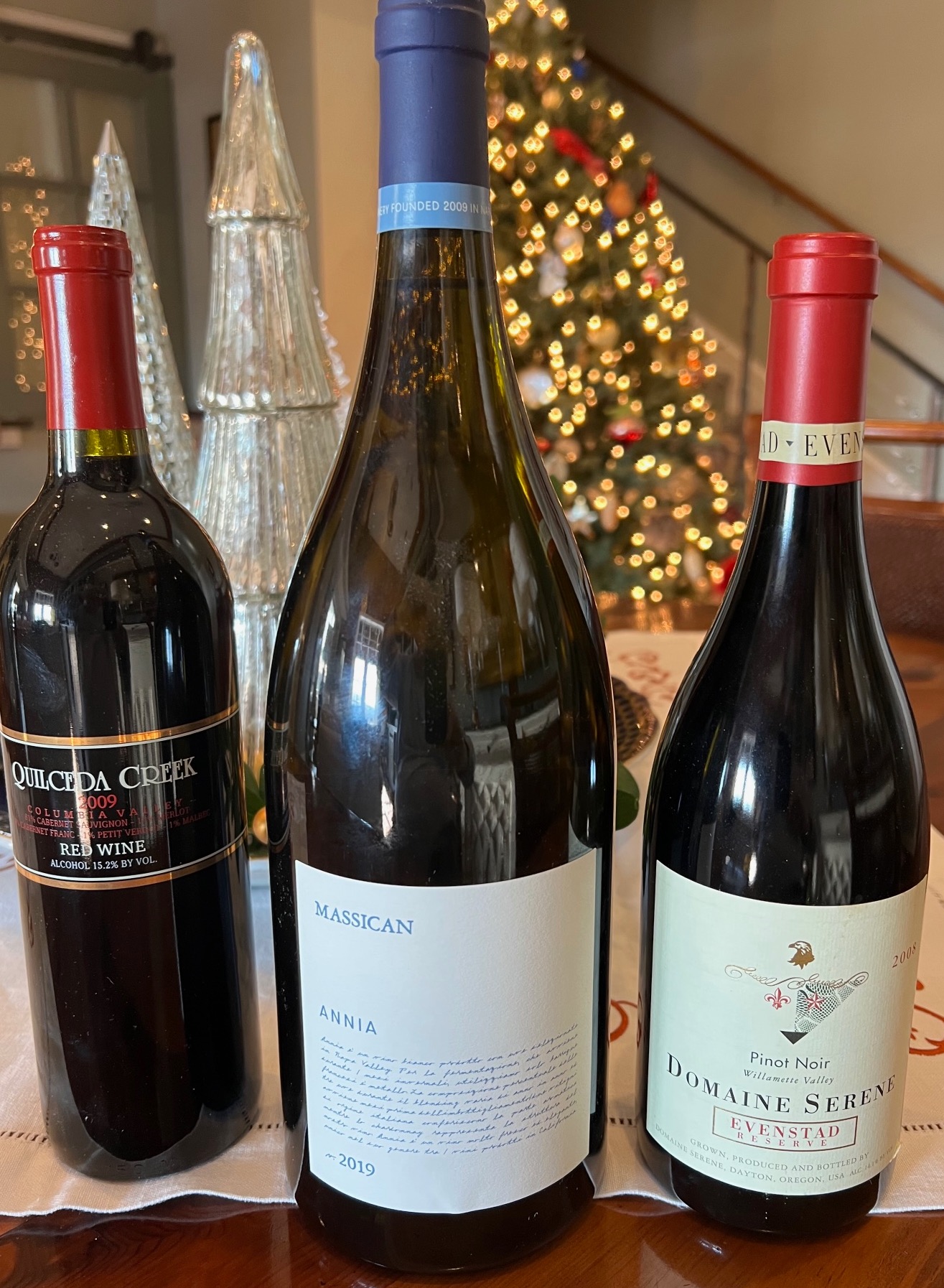
On my most recent visit to Milo’s, my dining group sampled the following: whites: 2018 Chateau de Valmer Vouvray; 2020 St. Kilda Southeastern Australia Chardonnay; 2020 Dr. Loosen Mosel Riesling and 2019 La Doria Gavi. Reds: 2019 Dante Pinot Noir from Sonoma County; 2020 Mont Gravet Carignan; 2018 Giuseppe Barbera D’Alba; and 2018 Cortijo Tempranillo Rioja.

My favorite of all the above-mentioned wines that evening was the 2020 Mont Gravet Carignan ($6 a glass). This wine proves my oft-repeated admonition that you don’t need to spend extravagantly for a good wine. From the Languedoc region of southern France, this deeply purple wine, is rich and chock full of blackberry and dark cherry flavors. Perfectly balanced, the wine was recommended on Milo’s menu to accompany my entrée of pan sauteed pork medallions with an au poivre sauce. I have to say it paired perfectly with the dish.

So, next time you venture up to Tucker County, stop in at Milo’s for a bit of dinner and a nice glass of wine. Or, if you’re so inclined, find an outdoor spot and channel your inner Deepak Chopra while you sip an adult purple or white beverage and allow the spirit (s) to elevate your enjoyment of all that Mother Nature has to offer

John Brown is also a novelist. His latest book Augie’s World, which is a sequel to his debut novel, Augie’s War, is available online at Amazon. You can find out more about his novels and wine columns at wordsbyjohnbrown.com


Wines to Toast the Fourth of July

Independence Day is just around the corner, so I’ve been thinking about wines I’ll use to toast Uncle Sam on his 246th birthday. At the risk of sounding provincial, I’m going to stick with wines from the good old US of A to celebrate the Fourth of July. And since most of us will be consuming picnic-type fare this coming holiday weekend, I’m going to suggest an All-American lineup of wines to pair with your Independence Day meals.

I must (grudgingly) admit, though, that the best wines this country produces are made from European vines (vitis vinifera) like cabernet sauvignon, chardonnay and zinfandel, etc. Unfortunately, native American vines (vitis labrusca) produce better grape juice (concord) and waterfalls (Niagara) than they do wine.

However, there is one European vine, zinfandel, that is commonly thought of as “America’s grape”- even though its original home has been the subject of heated debate. Zinfandel vine cuttings were brought to California and planted in the 1850’s near the town of Sonoma. For years, experts argued that zinfandel is really an Italian grape known as Primitivo. More recent DNA research of the vine, though, indicates that zinfandel is really a Croatian varietal. The true name of the grape is Crljenak – a word that is not only unpronounceable but has also been banned from use in international spelling bee competitions.

I hope you won’t be disappointed, but I think it’s time to move on from this enthralling examination of vine etymology to the slightly less interesting topic of today’s column. So, for your consideration, here are some All-American wine pairing ideas to accompany the foods most of us will be consuming this Fourth of July.

Aperitif

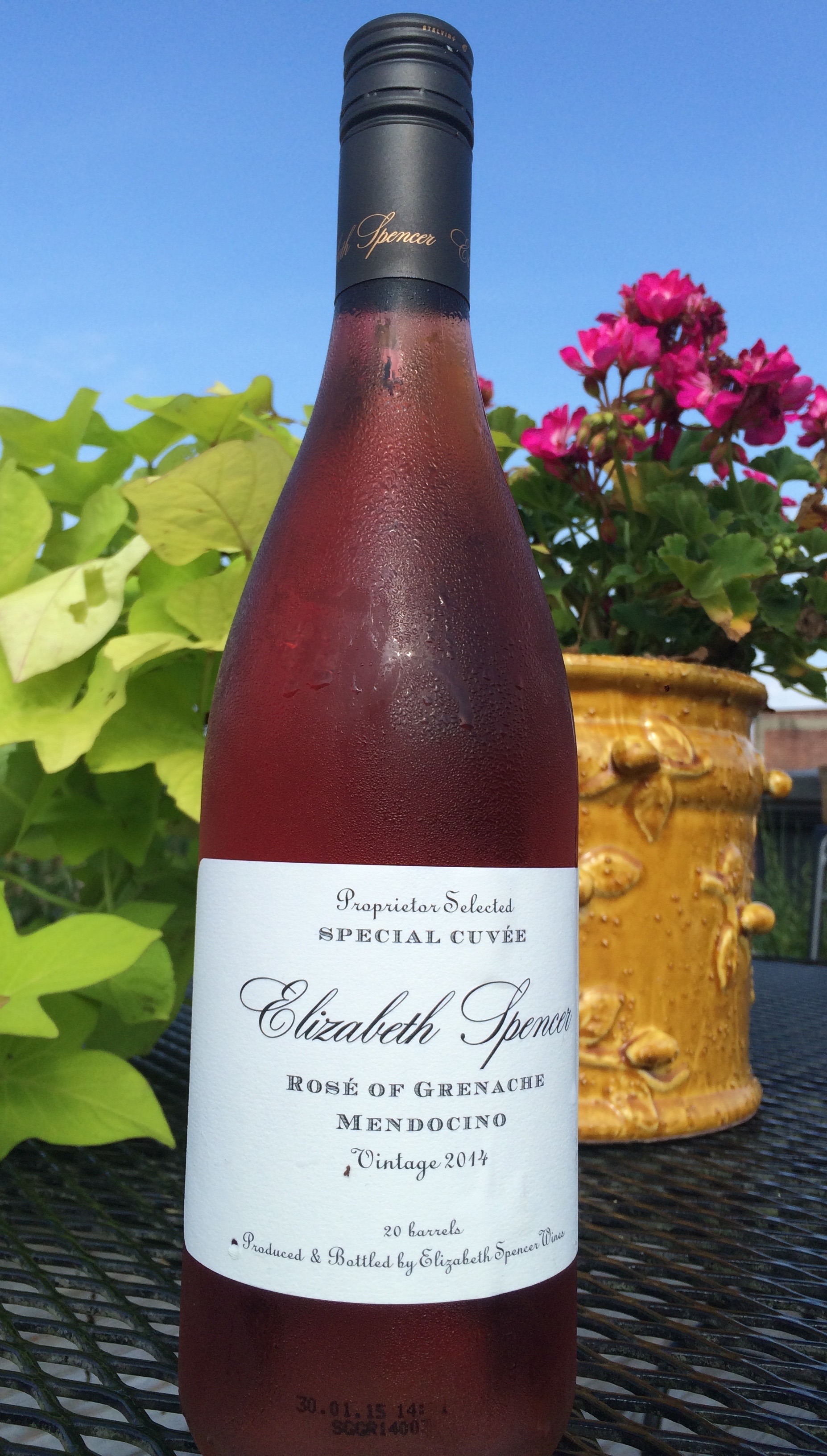
2021 Chateau Ste Michelle Columbia Valley Rose ($15) – From Washington State, this lovely pink wine is comprised of syrah and cabernet sauvignon with a touch of grenache. It’s round, yet crisp, with strawberry and melon flavors and would be great accompaniment to cheese, veggies and dip or fruit. There is no better celebratory wine, especially in the summer, to kick things off for your picnic or holiday dinner than rose’.


Veggies/Fish

2021 St. Supery Sauvignon Blanc ($28) – This Napa Valley white is a bit of a richer style sauvignon blanc with hints of citrus and herbs. If you’re a vegetarian, you’ll enjoy this wine because it pairs especially well with grilled veggies like red bell peppers, Vidalia onions, zucchini and asparagus. For you pescatarians out there, the wine will also match up well with grilled white fish such as grouper, Chilean sea bass or cod that is glazed with lemon, dill, butter and minced garlic.

image


Barbecue

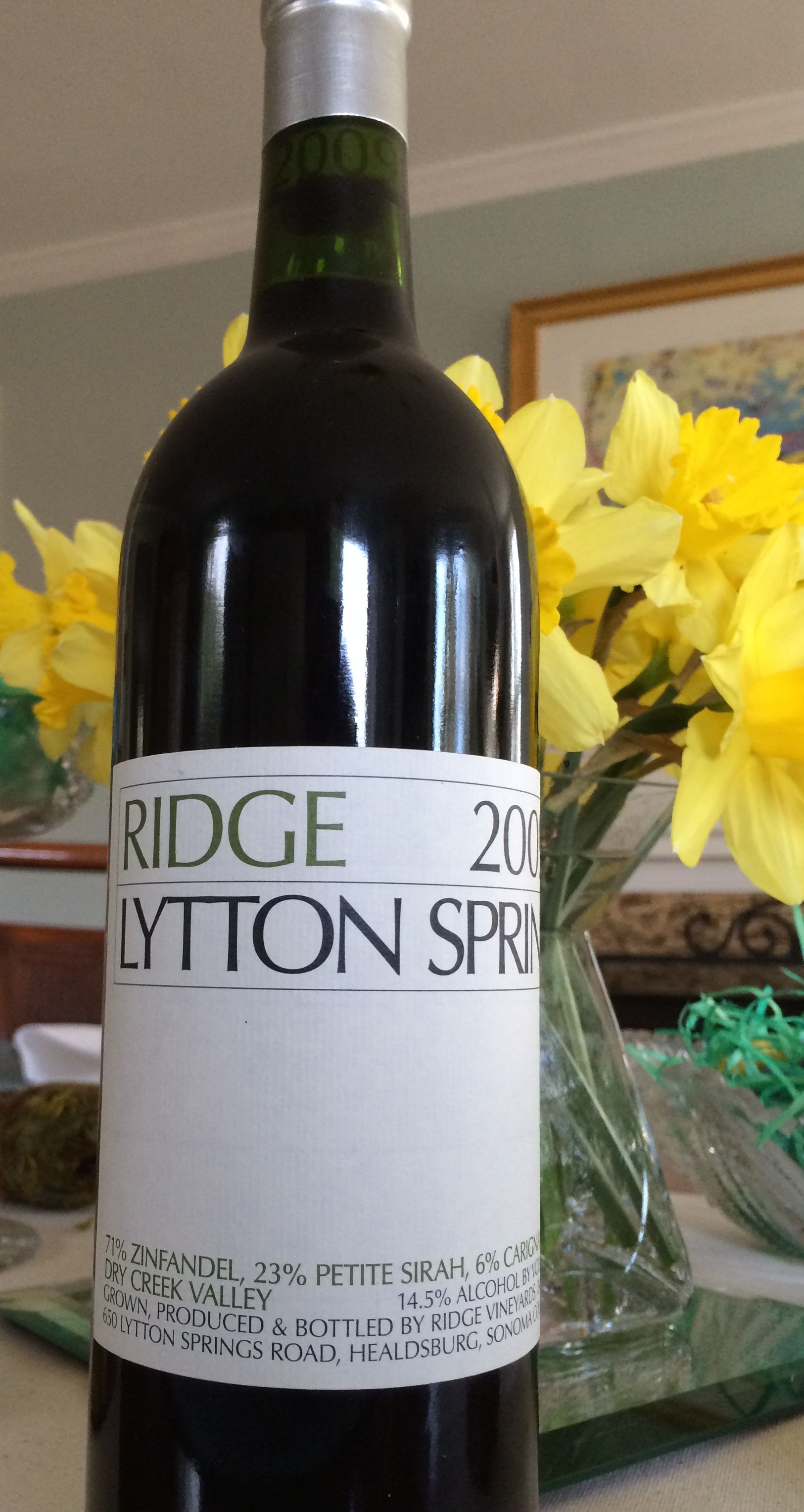
Seghesio Old Vine Zinfandel ($32) – From Sonoma County, this is a perennial favorite of mine and in my pantheon of great zins which include wines like Ridge, Grgich Hills and Turley. Blackberry and dark cherry flavors with hints of earth and cedar highlight this delicious mouthful of wine. Your main entrée this weekend will likely run the culinary spectrum from hot dogs and hamburgers, to chicken and ribs to pork chops and/or steaks. Seghesio’s versatile flavor profile will enhance your enjoyment of any of the above dishes, even those brushed with some type of barbecue sauce.

Fireworks

2017 Iron Horse Classic Vintage Brut ($48) This Champaign-style sparkler from Sonoma County’s Russian River appellation has ripe pear and green apple flavor with nuances of brioche. Comprised of pinot noir (70%) and chardonnay (30%) it’s the ultimate celebratory American sparkling wine. Just after dark when the Fourth of July fireworks show begins, I’ll lift a glass of Iron Horse and toast Independence Day!

Happy Fourth of July

John Brown is also a novelist. His latest book Augie’s World, which is a sequel to his debut novel, Augie’s War, is available online at Amazon. You can find out more about his novels and wine columns at wordsbyjohnbrown.com


Wines for Caprese

I don’t know about you, but after a particularly good meal accompanied by a glass or two of fine wine, I can become pensive, reflective and downright hillbilly profound. One evening last week after such a repast, I came to the happy realization that, despite the troublesome distractions of the times, including wars, natural disasters, pandemics and global warming, it’s less than two months until the Backyard Brawl.

Perspective is important. For example, it has taken me several decades to accept these absolute truisms: there aren’t many things that I can control; and there are even fewer things I can depend on. So, it’s important to concentrate on the things we do have some ability to control -like the food we eat and the wine we drink.

We are blessed here in West Virginia with a substantial agrarian economy which produces a cornucopia of vegetables, fruits, meats and grains through the state’s many farmers’ markets. Here in Charleston, we have easy access to these local products at the Capitol Market. The Capitol Market’s outdoor vendors’ stalls are now overflowing with produce, and it’s prime time to take advantage of their bounty.

I’d like to share a simple, but delicious, recipe composed of ripe tomatoes, herbs, extra virgin olive oil, fresh mozzarella, basil, salt and black pepper. The Italians call this delectable concoction Caprese, and I’m sure many of you have consumed this delicacy. But you’re probably confused as to which, if any, wine can be appropriately paired with the dish.

image

Today, I’m going to recommend several wines that will complement and enhance this simple salad. Unlike other vegetable-centric dishes -like roasted peppers, squash, onions or broccoli- that can stand up to medium-bodied reds, Caprese is best enjoyed with crisp, dry white wines.

I start with sweet, ripe, red tomatoes such as heirlooms or beefsteaks. You can use yellow tomatoes, but they have less acidity, and I prefer red varieties, especially if you’re going to pair them with wine. Slice the tomatoes in rounds and place them on a large dish. Then, shake a good salt on them (I use our local J.Q. Dickenson finishing salt) along with a grind or two of black pepper. Next take a handful of fresh, locally grown basil, chop it coarsely and sprinkle it liberally onto the tomatoes.

Aside from the tomatoes, the most important ingredient in this recipe is the quality of the extra virgin olive oil you choose. I prefer to use Villa DiTrapano oil which is produced from olives grown on the property in Italy of a local Charleston family. This superb oil is available at the Capitol Market Wine Shop as well as from several other businesses around the city and state.

Finally, I’ll slice fresh mozzarella into half-inch rounds and place them onto the tomato slices. Then sprinkle a little more salt, black pepper, olive oil and basil on top the mozzarella.Of course, you’ll need fresh bread to accompany the Caprese, and to mop up the delicious tomato and oil residue on the plate. My favorite loaves (focaccia and baguette) are baked by Charleston Bread on Capitol Street right down from Capitol Market.

So, what about wine to accompany your Caprese? Red wines, even light ones, seem to overwhelm the delicate flavors of the dish. White wine is the best vinous accompaniment to Caprese, and I suggest unoaked, crisp, fruit forward varietals. Here are some of my favorites.
From Italy, try Fiano from the Campania region, Arneis and Cortese from the Piedmont and Verdicchio from the Marches. From southern France, Caprese pairs especially well with Grenache Blanc and Picpoul de Pinet. You might also try the delicate Tavel rose’ from near the Mediterranean coast. Finally, Albarino from Spain would be an excellent choice to accompany Caprese.

Enjoy

John Brown is also a novelist. His latest book Augie’s World, which is a sequel to his debut novel, Augie’s War. Both novels are available in print or audio  at Amazon. You can find out more about his novels and wine columns at wordsbyjohnbrown.com


Red wine and serving temperature: The Truth!

So, there I was: sitting at a table under a multi-colored umbrella on the deck of a semi-high-class eatery. The weather was very warm, but pleasantly dry, and I had a hankering for a wine that -given the climate and my menu selection– probably qualified as a counterintuitive choice. I wanted a glass of red wine to accompany the grilled octopus I had ordered.

“Are you sure about that, sir?” my officious wait person asked in a snickering and patronizing voice. “I have a lovely pinot grigio which would pair much better with our polpo alla griglia,” he added with a bit of a flourish, obviously flaunting his Italian linguistic skills.

I smiled up at the fellow and repeated my request, disregarding the look of disdain and disapproval on his face. In a few moments he returned with my glass of pinot noir and then left in a huff. The wine was tepid, almost warm. I waved my waiter over and asked if he had any bottles of red that were a bit cooler. I didn’t even ask for pinot noir. I just wanted a glass of red – any red – that would provide a bit of cooling contrast to the grilled octopus.

image

Without hesitation, he scolded me with the standard (and archaic) reply that red wine should be served at room temperature. I didn’t bother to remind him that we were outside, and that the temperature was 90 plus degrees Fahrenheit. I just asked him to bring me a glass of ice and a spoon. Of course, he was appalled when I proceeded to add two or three cubes to my pinot noir, stirring the wine for a few seconds before retrieving what was left of the ice from my glass.

I know I’ve written about red wine and proper serving temperature before, so I won’t go into any more detail on the subject other than to remind you that the above-mentioned adage was first uttered in the 1500’s. Rooms back then were a lot cooler -even in the summer. The most compatible wine and food pairing cannot overcome a red that is served too warm. The only way to enjoy a red wine that is served too warm is to have your waiter take it back and put it in ice or ask for an ice bucket. At home in the summer, I always put the red I intend to open at dinner in the refrigerator for about a half hour. However, if you’re in a restaurant and the red you’ve ordered by the glass is warm, don’t be afraid to ask for some ice and a spoon. You may get some strange looks, but you’ll be a lot happier with the wine.

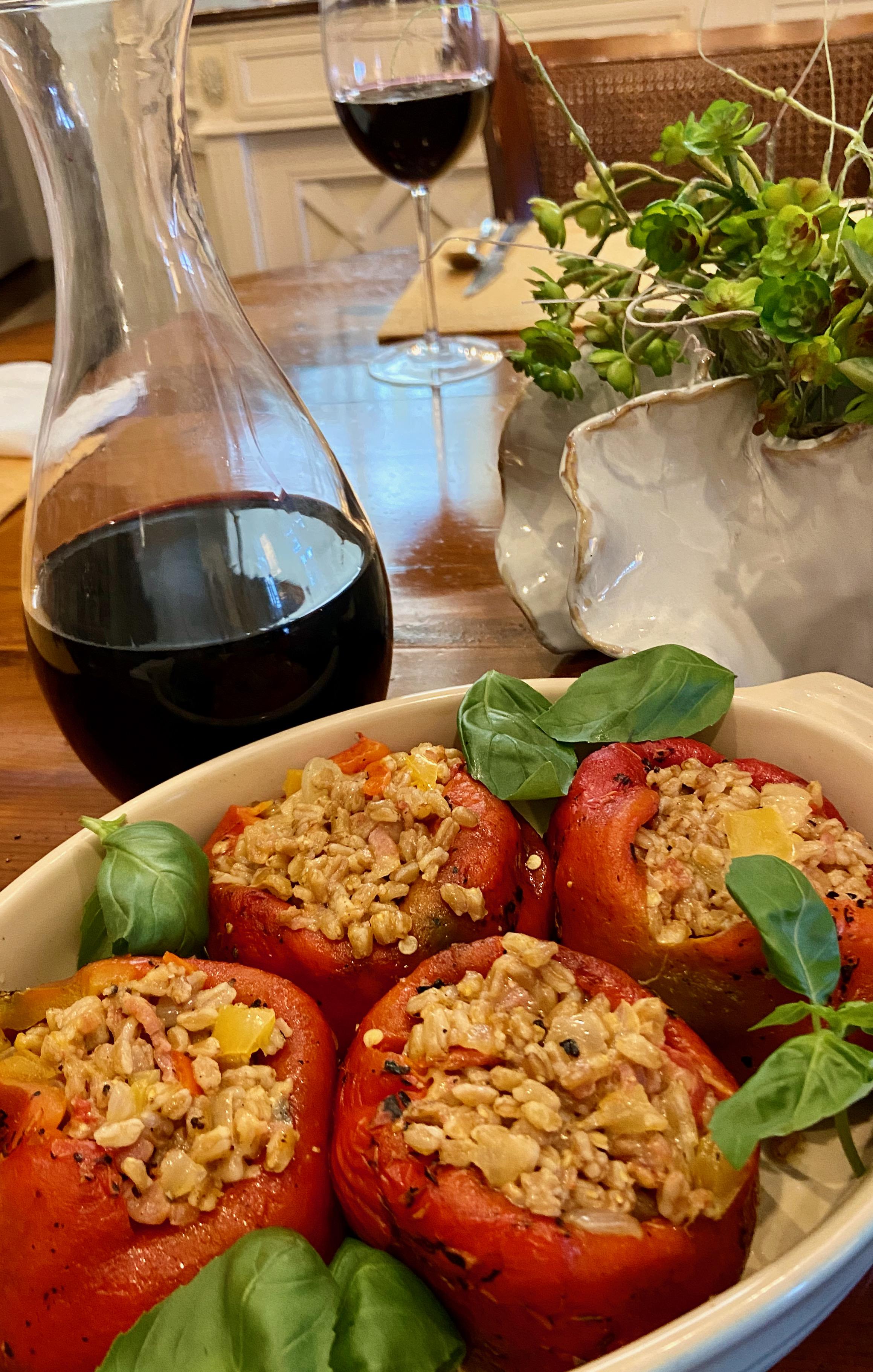
Most often, red wine is chosen to enhance meals with some type of protein, usually beef, pork, lamb or even fish such as salmon. But you can also use reds to pair with grilled or sauteed vegetables. I love to drink red wine with one of my all-time favorite dishes: fried peppers, Italian style.

Here’s the simple, but delicious recipe. You’ll need at least two red, yellow and green bell peppers, two or three hot banana peppers as well as salt, black pepper, onions, garlic, basil and parsley. Slice the all the peppers in three-inch-long pieces, discarding the seeds, and then coarsely chop one large onion. Using a cast iron skillet, heat about a quarter cup of olive and add the peppers and onions, at medium-high heat, to the pan. After about five minutes, add three cloves of coarsely chopped garlic to the mix along with several shakes of salt and black pepper. Stir often so the veggies don’t burn, but you’ll want them to get slightly scorched. Once the peppers are cooked, plate them and add freshly chopped basil and parsley to the mix. Serve the peppers with crusty bread and enjoy.

Here are two red wines that really enhance the recipe above. And, of course, they should be served slightly chilled.

2019 Castello di Bossi Chianti Classico ($23) – From Tuscany, this 100 percent Sangiovese is the essence of why Chianti Classico is such a wonderful accompaniment to food. It’s medium-bodied, but ripe, with flavors of dark plums, a touch of anise and a kiss of oak. Perfectly balanced, the wine pairs seamlessly with the tangy fried pepper concoction.

2020 Martin Ray Sonoma Coast Pinot Noir ($21) Ripe red cherries and hints of cinnamon highlight this fruit forward pinot noir. The wine has a silky texture and is perfectly balanced from grapes grown in the cool temperatures of the Sonoma coast. This pinot noir provides a refreshing counterpoint to the rich and spicy flavors of the fried peppers

John Brown is also a novelist. His latest book Augie’s World, is a sequel to his debut novel, Augie’s War. Both novels are available in print and audio  at Amazon. You can find out more about his novels and wine columns at wordsbyjohnbrown.com