
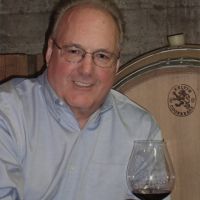
Columns by John

John Brown has been a wine and food columnist in West Virginia since the 1980’s. His regular columns appear in the Charleston (WV) Gazette-Mail under the title Vines & Vittles.

Collecting wine: patience and will power rewarded

You’ve probably read from time to time about the superb quality of this or that particular vintage in some part of the wine world.  In California, wine makers have had almost a decade of pretty good to excellent vintages, particularly for cabernet sauvignon. In Bordeaux, wine made in 2000 and 2005 have been hailed as the “greatest vintages” of the century (of course the century is less than a decade old now). And the silky wines made from Brunello Di Montalcino have also had a string of exceptional vintages recently. 

I’ve sampled some of the aforementioned wines and have concluded that, hyperbole aside, these are excellent vintages and you would be wise to purchase them - if you can afford them. Even in this troubled economy,  people will pay excessively for highly rated wines.

But where do you age these vinous gems if you don’t have a special, temperature controlled wine cellar or wine cabinet?

Finding an appropriate place to store your bottles requires paying attention to a few key details that will ensure your wines emerge from their Rip Van Winkle-like sleep mature and ready for you to enjoy. Since everyone knows that aging wine in a cool place is desirable, why not just store your bottles in the refrigerator?

Well, for wines you’ll be consuming in the short term – both red (particularly) and white – the refrigerator is fine as a short term storage alternative. However, for those wines you hope to age for several years, it is both impractical and ill advised to store that wine in the refrigerator.

Vibration from the refrigerator’s cooling system will disturb the wine and the low humidity will tend to dry out the corks.  Also, adolescents (and desperate adults) have been known to consume, absorb, sniff or otherwise ingest just about anything, including that special bottle you’ve been patiently aging.

If you have the luxury of a cellar (which is a fancy term for a basement), find an area where the cellar wall is below and adjacent to the earth. The reason:  the temperature below ground is generally constant and usually in the range of between 50 and 60 degrees F. which is approximately the ideal temperature for aging wine.

If you don’t have a cellar, use a closet or other dark place (like under a stairwell) where the wine is not exposed to natural or artificial light. Don’t store wine in the attic or any area where the wine will be exposed to high temperatures. You can use styrofoam or even wine boxes to create a stable temperature in the space.

The key with temperature is consistency. An area in which the temperature fluctuates five to seven degrees from summer to winter and does not exceed 70 degrees F is fine.  Wines stored in warmer environments will tend to mature more quickly and spoil easier.

Also make sure that the storage area is odor and vibration –free, and that there is adequate humidity in the space. Dry spaces tend to cause the corks to shrink and wine to evaporate.   Actually, humidity in the range of 60 to 70 percent is best for the wine, and you can artificially create this effect by keeping an open container of water around the stored wine.  Of course, you’ll need to age the wine on its side so that the cork stays moist. You may also use wine case boxes to store the stuff or you can purchase or build wine racks too.   

In addition to Bordeaux, Brunello and cabernet sauvignon, other notable wines that benefit from lengthily bottle aging are Burgundy (pinot noir), Barolo and Barbaresco from Italy, syrah-based wines such as those from the Rhone Valley in France and those produced in Australia (shiraz), and zinfandel. Sweet wines such as sauterne, late harvest rieslings and some chardonnay, particularly those produced from exceptional vintages in Burgundy, will also benefit from extended cellaring.
It is also a good idea to check out  the wine blogs, magazines and other periodicals for the latest reviews of the most highly rated vintages so you can determine how long to age your special wines.
I’m often asked if aging wine for a decade or more is worth the wait. The payoff – on that special occasion when you open that special bottle – is absolutely worth the wait. And while you’re waiting for the right time to uncork the bottle from that great vintage, there is a sea of wine to enjoy right now!

Slow down and relax with some bargain wines

I hope that I’m preaching to the choir, but there are few things more pleasurable than sipping a glass of wine with dinner, particularly after a long day of toiling in the vineyard – so to speak.

Wine not only enhances the dining experience, it also relaxes the mind and spirit and fosters friendly conversation among diners. Sound like a commercial for slow food?  Well, I am a disciple of this reemerging philosophy, and I would argue that wine is a key component in the slow food movement.
Unfortunately, many of us rush around trying to fit too much life in too little time and, consequently, many of us view wine as a special occasion beverage.  In my humble opinion, just making it through another day in this crazy, complex world is reason enough to celebrate with a glass or two of your favorite wine.
But, in these rough economic times, can I afford to drink wine each day? Ah ha, that’s what I hope to impart to you  here today. The fact is that most regular wage earners can afford a glass or two of wine each day. In fact, there are thousands of inexpensive and quality wines  now available from which to choose.  

The demand for good, affordable wine is at an all time high, and producers are responding with a sea of new products from all around the world. In addition to the recognizable tried and true wine producing countries such as the US, France, Italy, Germany and Australia, other nations, less known for their viticultural acumen, are now making very good wine.

Recently, exceptional wine has been produced  in such geographically diverse nations as  South Africa, Spain, New Zealand, Chile, Argentina, Portugal and Austria, just to name a few. Whether you’re looking for red, white, sparkling or rose, you’ll find excellent wines in every country I’ve mentioned.
So how do I learn about these wines (in addition to this erudite and eminently understandable blog/column)? Just ask your wine purveyor or simply take a chance and try the new wines you see on the shelf.
Another great way to learn about wine, in addition to periodicals and magazines (The  Wine Spectator, The Wine Enthusiast and Robert Parker’s Wine Advocate are a few  of my favorite sources), is to go online and use a search engine such as Google, Ask.com or Yahoo to request information on wine reviews or wine blogs like this one.

So, to give you a push in the right direction, here are a few eminently affordable wines to try with your everyday “slow food” meal whether it is filet mignon or mac and cheese.

Reds:  07 Cecchi Bonizio Sangiovese ($9);  06 Finca El Reposo Cabernet Sauvignon ($12); 06 Jaboulet Parallele 45 Cotes Du Rhone ($13); 07 Santa Carolina Reserve Carmenere ($14).

Whites:  07 Fetzer Gewurztraminer ($9); 08 Yellow and Blue Torrontes ($11); 08 Dr. Loosen Riesling ($12); 07 Clos Du Bois Sauvignon Blanc ($11).

The Taste of Parkersburg

Area food, wine and beer lovers should mark their calendars for the weekend of May 31-June 1 and seriously consider attending the annual Taste of Parkersburg (TOP).

This event features gourmet edibles from local restaurants, West Virginia farm to table foods and a whole host of wines from around the world. You will also be able to taste a good sampling of craft beers too. In addition, TOP will feature local artisans and crafters as well as excellent music.

The weekend kicks off with a special Bordeaux wine tasting from 7 to 9 p.m. on Friday May 31, at the Blennerhassett Hotel. Parkersburg native and Bordeaux’s U.S. wine ambassador Robert Cavanaugh will share his knowledge of the famous French region, and lead attendees through a tasting of eight wines.

Cavanaugh is a master sommelier with certifications from the Wine and Spirits Education Trust of London (WSET), the Court of Master Sommeliers and Le Conseil Interprofessionnel du Vin de Bordeaux as part of the International Bordeaux Ambassador program.

From all accounts, Cavanaugh sounds like my kind of wine guy. He says he got his start in the beverage industry at Parkersburg’s North End Tavern where, I assume, he was inspired to move beyond that frothy amber fluid to the fruit of the vine.

On Saturday June 1, there will be several events taking place simultaneously – all from about 5 to 11 p.m., including tasting the wares of several restaurants, sampling wine and beer from a multitude of vendors - all the while being entertained by several different musical groups.

In addition to the public events, there will be a trade wine tasting on Friday afternoon where those involved in the wine industry are invited to taste and interact with winery representatives.

Events will take place in and around the Blennerhassett Hotel located at 3rd and Market Streets in downtown Parkersburg. For ticket prices or other information, you may call 304-865-0522 or email This email address is being protected from spambots. You need JavaScript enabled to view it..

Sounds like a great weekend.

Pairing wine and food

Boy have I been sipping some excellent wines this summer.  I’ve also been pairing them up with some yummy culinary treats – which is the equivalent of a gustatory double whammy!  I’ve also found that cooking the family meal is a great way to get out of yard work, and that’s reason enough for me to do my sweating in the kitchen.

I’ll be the first to admit that finding the appropriate food and wine match can be tricky. But I have acquired a lot of experience over the years, mainly through trial and error, and I’ve come up with some pairings that work for me and just might work for you too. 

Like all rules in wine appreciation, there are really no rules. In other words, if you enjoy filet mignon with Uncle Fred’s Rhubarb Red, then go for it. However, the overwhelming school of thought when it comes to finding the best food and wine pairing is to pick flavors that are complimentary. There are times, though, when it is best to find wine that has some contrasting elements  to the edibles.

And just like a good old West Virginia ward healer, I can go in either direction - depending on the circumstances, the mood or which way the wind is blowing. Okay, so here are some common sense principles to follow.

Lighter-bodied foods go best with lighter style wines while heavier flavored foods are best paired with fuller-flavored wines.  For instance, a poached white fish would go best with a lighter styled white wine such as a white Bordeaux or Albarino from Spain. Conversely, a well-marbled strip steak would be a great match with a robust red wine such as cabernet sauvignon or zinfandel.

The addition of sauces or spices to a dish can add a flavor dimension that can affect the wine you pick.  For example, sauvignon blanc is an excellent choice with poached salmon in a dill sauce, but grilled salmon that has been dusted with cumin, black pepper and chili powder needs a medium-bodied red such as pinot noir.

Textures also play a role in determining the best matches and this is where “contrasting” comes into play. Say you have a rich, fatty piece of beef, the ideal wine is probably a young tannic red, not only from a complimentary flavor standpoint, but also because the astringency of the tannin in the wine provides a contrast and serves to cleanse the palate.

To be successful in finding that perfect match, you need to consider flavor, texture and weight of the food and wine pairing. You wouldn’t logically pair a full-flavored red wine with a delicate broiled seafood dish such as Dover sole. Think about it. The flavors, textures and weight are all out of balance. Try a delicate Chablis, an Italian pinot grigio or a Washington State semillon.   

Here’s the closest to an absolute wine and food no-no: vinaigrette salad with any wine. Why? The vinegar based dressing clashes with the acid in wine destroying the flavors of both the salad and wine. Creamy or cheese dressings work fine with sauvignon blanc, riesling or viognier, but nothing works with vinaigrette. Well, maybe an inexpensive sparkler with lots of fizz. 

Try   pinot noir, Chianti, or even Beaujolais with grilled salmon, tuna or chicken. Zinfandel, rose’ and shiraz also pair wellwith spicy foods, particularly Southwestern  (US) fare. Ditto, slightly sweet gewürztraminer or riesling. Both go well with oriental dishes, especially Thai food.Roasted turkey can handle just about any dry wine, but I particularly like red Rhone wines, Alsatian pinot gris and merlot-based Bordeaux.    
As I have stated for the record many times before, chocolate desserts love cabernet sauvignon. Ices and sorbets are great with muscat and sweet sparkling wines. Try blue cheese with port and zinfandel. Sweet late harvest riesling and Sauterne with, believe it or not, liver pates are also odd couple pairings.
 I could go on and on, but there are also some other resources you can use.  Try this website “Food and Wine Pairing” at http://www.foodandwinepairing.org. 
And Natalie MacLean, creator of Nat Decants, the wine web site at www.nataliemaclean.com, has teamed up with the software developer bitHeads to create an application that works on your iPhone, iPod Touch, BlackBerry Bold and BlackBerry Curve.  

Sipping for a cause: Fourth annual Wine and Roses Event

I am a board member of the Roark-Sullivan Lifeways Center (RSLC).   This is a very special organization with a great group of dedicated employees and volunteers. The center assists individuals experiencing homelessness with services that help them become self-reliant.
For the past several years, RSLC has been hosting a fund raising event at Capitol Market called “Wine and Roses.” Wouldn’t it be great to help programs like Roark-Sullivan and enjoy good wine and gourmet food, too?
Well, you can!  Join me and other wine lovers at the fourth annual Roark-Sullivan Lifeways Center Wine and Roses event. Wine and Roses will be held indoors at the Capitol Market from 5 to 7 p.m. on Thursday, July 16. Partnering with RSLC is the Capitol Market, Soho’s, the Thomas Health System, A Travel Agent in WV and the Wine Shop at Capitol Market.  
Area wine distributors and locally owned Napa Valley winery, Falcor, are donating the wines.  And believe me, there will be exceptional wines available for your sipping pleasure from all over the world.  In addition, there will be an assortment of gourmet appetizers you can pair with the wines.   
I’ll be there to answer your wine questions and chat about the tasty treats we’re sipping. And, hey, if you find a wine you like, you can stroll right over and purchase it immediately from the nice folks at the Wine Shop.
I count myself fortunate to have the time and resources to engage my passion for good wine and food. Others in our town, state and nation are not so fortunate. Each day is a challenge for them. Many of our fellow citizens are dealing with debilitating physical, emotional and mental issues that make each day a struggle to survive. Their goal is simply to find food to eat and a place to sleep. Fortunately, there are agencies in our communities that exist solely to assist these people, many of whom are homeless.
RSLC operates the 60-bed Giltinan Center on Leon Sullivan Way (formerly the Charleston Men’s Emergency Shelter) and the 16-bed Twin Cities Center in St. Albans and provides comprehensive services such as healthcare maintenance; substance abuse and mental health assistance; outreach; and transitional and aftercare services. Last year, RSLC constructed and opened a Veterans Transitional Center adjacent to the Giltinan Center that provides services to homeless veterans.
The Roark-Sullivan Lifeways Center and other such organizations exist because of state and federal programs funded by your taxes, and through your generous personal contributions.  Please join me and raise a glass for a great cause!  
 Tickets are $30 in advance or at the door. You can call RSLC at 304-414-0109 and use your credit card or send a check to: RSLC, P.O. Box 1707, Charleston, WV, 25326.
I hope to see you there.